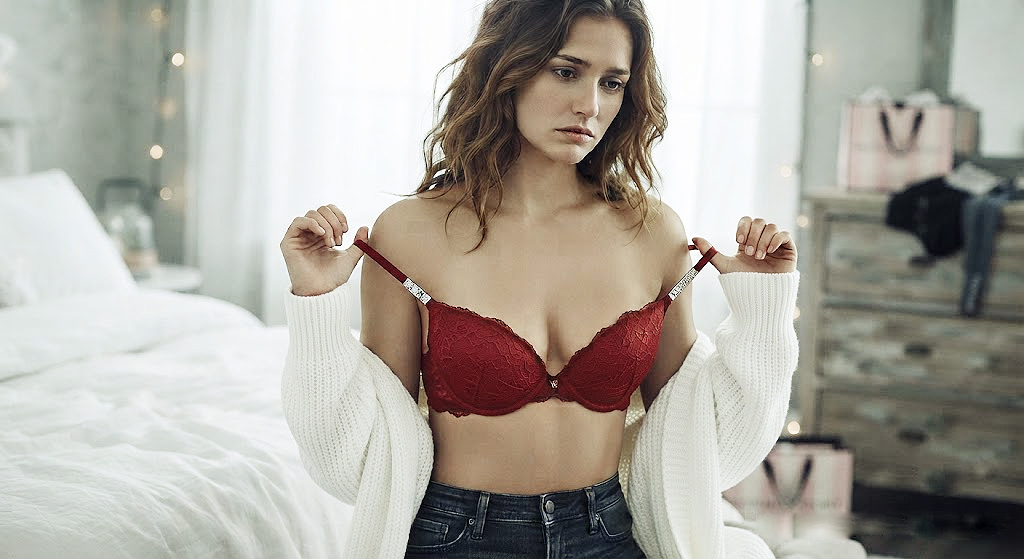
What will happen if you stop wearing a Bra?
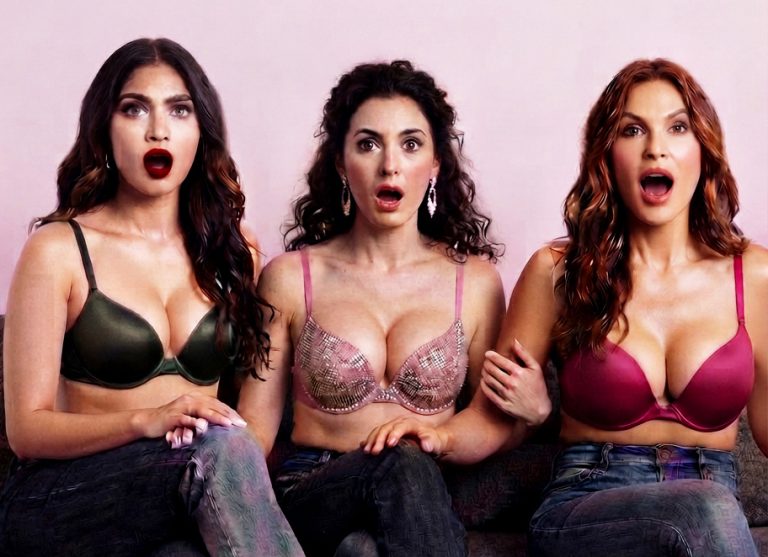
Since the spread of modern feminism has hit the world, the ‘Free the nipple’ challenge has been a social media trend for a while, with the negative message that not wearing a bra is symbolic of retaining the right to free female bodies. They are stating an ideology that “Insisting on wearing a Bra is adhering to the social norms of Patriarchy”, and it is for “respecting the men”. Some people are considering living braless as their approach, rather than feminism. Avoiding wearing a bra isn’t always a comfortable experience as you hope it to be. From the introduction of the first modern bra in 1914 to the wide variety of styles, designs, fabrics, and support options available today, the humble bra has undergone a remarkable transformation over the years and has gradually evolved from a simple undergarment into an essential part of everyday clothing for many women around the world.
Why should women wear a bra? it’s not only about meeting society’s expectations. Let’s take a closer look at why many women choose to wear a bra and explore the different ways a well-fitting bra can contribute to support, comfort, confidence, and everyday convenience. Although going braless can provide a wonderful sense of freedom and relaxation, especially after wearing a bra for several hours, choosing not to wear one may also have certain practical drawbacks depending on a woman’s body, lifestyle, level of physical activity, and personal comfort preferences. The world is adopting the idea of going braless for both feminism and choosing comfort; the longer you stop wearing a bra will lead to problems that come with it. Not wearing a bra at all isn’t the best choice; it can be very hazardous for your health. Let me walk you through a list of consequences that you have to face by not wearing a Bra.
1. Breasts Sagging
Let’s talk about breast sagging, a completely natural part of the way breasts change over time. Breasts are primarily made up of fatty tissue, glandular tissue, and connective tissue, and they are naturally influenced by factors such as age, genetics, changes in body weight, pregnancy, hormonal changes, and the effects of gravity. Although supportive ligaments and surrounding tissues help maintain the shape and position of the breasts, they can gradually stretch over time, which can contribute to a more downward or relaxed appearance. This is why breast size alone does not determine whether or when sagging will occur; women with different breast sizes and shapes can experience changes in breast position throughout their lives.
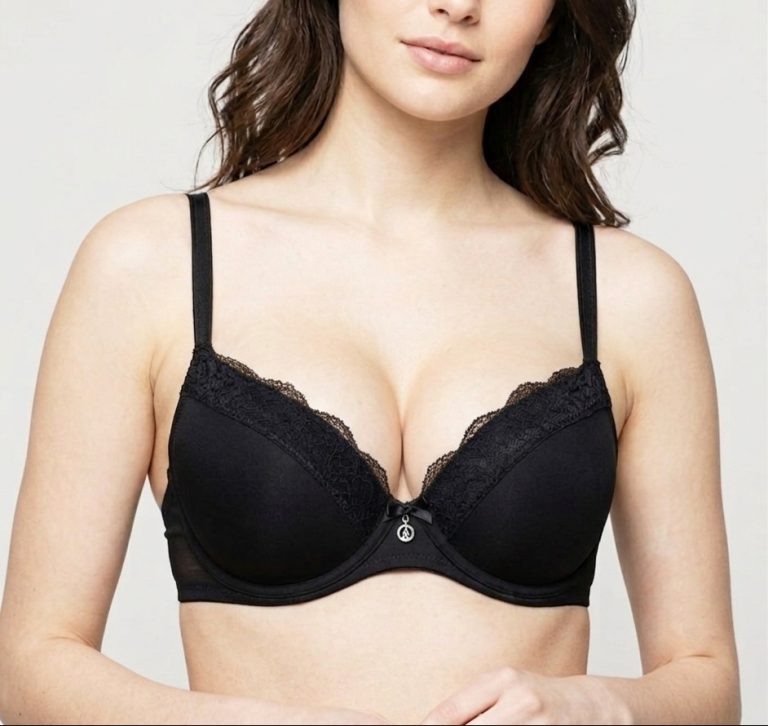
While wearing a bra cannot permanently prevent or completely stop natural breast sagging, a properly fitted and supportive bra can provide temporary support and help keep the breasts comfortably positioned while it is being worn. This can be particularly useful during activities that involve considerable movement, such as walking, exercising, running, or other forms of physical activity. A supportive bra can also create a more lifted and structured appearance under clothing, helping many women feel more comfortable and confident throughout the day. Depending on individual preferences and requirements, options such as T-shirt bras, moulded-cup bras, non-padded bras, and underwired bras can provide different levels of support and shaping. A well-fitting T-shirt bra, for example, can offer a smooth silhouette under fitted clothing while providing everyday support without necessarily relying on heavy padding. Similarly, an underwired or moulded-cup bra can provide additional structure and support for women who prefer a more defined and lifted appearance. Ultimately, the goal is not to stop a completely natural process, but to choose a bra that provides the right level of support, comfort, and fit for your body and lifestyle.
2. Back pain
This one is especially for women with heavier breast tissues who often experience discomfort or strain around the back, shoulders, and neck. While going braless may feel relaxing and liberating for some time, women with a fuller bust may find that the lack of support can make everyday movement less comfortable, particularly when the breasts place additional strain on the surrounding muscles and supporting tissues. The weight of the breasts can contribute to a feeling of heaviness and tension across the shoulders and upper back, especially during long working hours, physical activity, or extended periods of standing. A properly fitted and supportive bra can help distribute the weight more evenly across the body and provide additional support, which may make everyday activities more comfortable for women who prefer or need extra bust support. Choosing the right bra is particularly important because an incorrect size, loose straps, or insufficient support may create additional pressure instead of providing relief. Bras designed specifically for fuller busts, including supportive M-frame styles, can offer greater stability and help provide a more secure and comfortable fit. With the right combination of band support, cup coverage, adjustable straps, and proper fitting, a supportive bra can help reduce the feeling of strain and provide better comfort throughout the day. So, if you regularly experience discomfort associated with the weight of your breasts, choosing a well-fitted bra designed for heavier busts may be a practical way to improve support, comfort, and confidence in your everyday routine.
3. Physical Strain During Activities
Not wearing a bra and wearing the wrong type of bra can create similar challenges when it comes to physical activities, particularly when your body requires additional support during movement. The right choice of bra should depend on what you are doing, because the level of support required while relaxing at home can be very different from what you may need while running, jogging, working out, or participating in other high-movement activities. Imagine going for your morning run, hitting the gym, doing a workout session, or even climbing down a flight of stairs without adequate breast support. The repeated movement and bouncing can quickly become uncomfortable and may make it difficult to focus on the activity itself. At the same time, wearing an ordinary everyday bra during intense physical activity may not provide the level of support and stability that your body needs. This is where a well-designed sports bra can make a significant difference. Sports bras are specifically created to provide additional support, minimize excessive breast movement, and help you feel more secure while exercising or participating in physically demanding activities. By helping control bounce and keeping the breasts comfortably supported, a good sports bra can make running, jumping, stretching, and other movements feel easier and more manageable. The purpose is not simply to wear a bra for the sake of wearing one, but to choose a style that matches the activity you are performing and the level of support your body requires. This is also why bras are available in such a wide range of designs, constructions, and support levels, with different styles intended for different needs and activities. Whether you are heading out for a morning jog, spending an hour at the gym, participating in a workout class, or simply looking for comfortable everyday support, selecting the right bra can help minimize unnecessary movement, improve comfort, and allow you to move with greater confidence and ease.
4. Becoming embarrassed in a fitted-top
Going braless may feel completely comfortable and liberating, but the situation can feel quite different when you put on a fitted top and notice that the natural shape of your nipples is becoming visible through the fabric. For some women, this is not a concern at all, and they may feel perfectly confident embracing their natural appearance without worrying about what others think. If that is your personal choice, there is absolutely nothing wrong with it. However, there are also situations where you may prefer a little more coverage, a smoother appearance, or additional shaping beneath your clothes, particularly when wearing lightweight, fitted, or body-hugging outfits. In such cases, wearing the right bra can provide a practical solution while also offering additional support and helping create a more defined silhouette. The choice ultimately depends on your personal comfort, the outfit you are wearing, and the setting you are in. Sometimes, going braless may simply be a matter of personal preference, while on other occasions, choosing suitable coverage can help you feel more confident and comfortable without drawing unnecessary attention to your body. For example, when you wear a fitted top with a plunging neckline, a well-fitted push-up bra can add lift and support while complementing the outfit’s shape and design. Choosing the right bra for the occasion is therefore less about following a strict rule and more about finding the combination of comfort, coverage, support, and style that works best for you. Read the article “Why a Push-Up Bra is important: The Key Benefits of Push Up Bras” for understanding more facts about of a Push-Up Bra that were not stated above.
5. Uncomfortable in weather changes
Yes — you want the first paragraph to focus more strongly on the problems caused by going braless during climate changes, and then transition into choosing the right bra.
Weather changes can have a noticeable impact on your comfort, and going braless may make certain problems more apparent during extreme temperatures. In scorching summers, excessive sweating beneath the breasts can cause moisture to accumulate against the skin, which may lead to friction, chafing, irritation, and an uncomfortable sticky feeling, especially when you are wearing tight or synthetic clothing. The absence of a supportive layer can also make breast movement more noticeable during everyday activities, adding to the overall discomfort. On the other hand, during chilly winters, going braless may leave you feeling colder around the chest area, particularly when wearing thin or lightweight clothing, while sudden changes between cold outdoor temperatures and warm indoor environments can make maintaining a comfortable body temperature more difficult. These seasonal challenges can become even more noticeable for women with heavier or fuller breasts, as sweating, skin-to-skin contact, and friction may increase during warmer months.
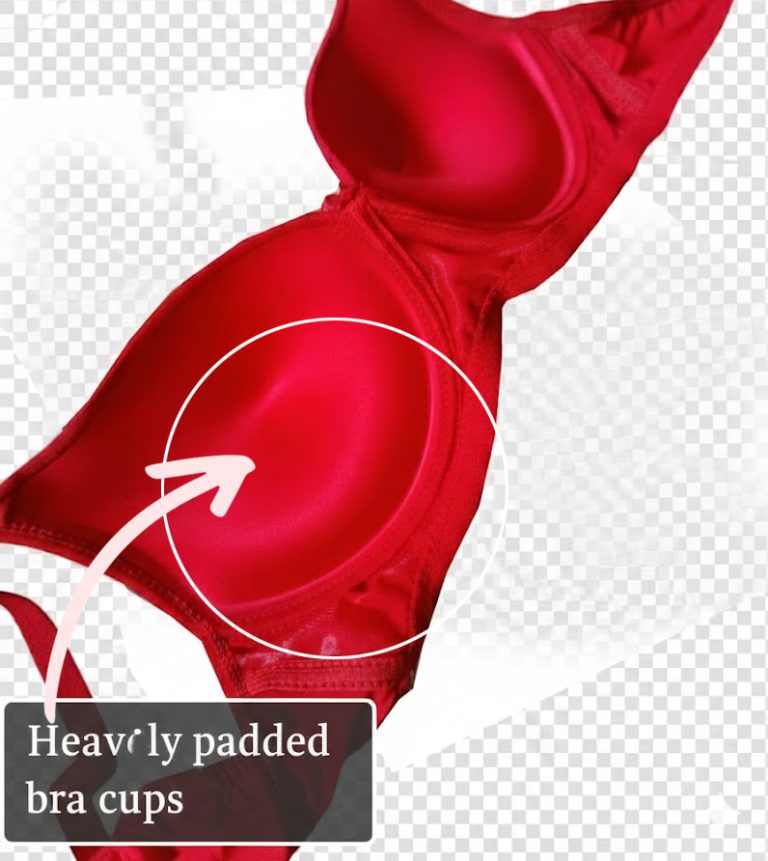
Scorching summers or chilly winters, choosing the right bra can therefore take your everyday comfort up a notch and make a considerable difference to how you feel throughout the day. During hot and humid weather, lightweight and breathable cotton bras can be a comfortable choice as they allow better airflow and can help manage moisture and reduce the discomfort associated with excessive sweating. During colder months, padded or lined bras can provide an additional layer between your skin and clothing while offering the coverage and support you may prefer. So, instead of relying on the same type of bra throughout the year, consider choosing your everyday lingerie according to the season, your clothing, and your individual comfort needs. Cotton bras are breathable in summer, along with padded and lined options that can provide additional coverage and comfort when temperature drop.
Conclusion
One often-overlooked benefit of choosing the right bra is improved comfort and body awareness. A Taylor & Francis study of elite female athletes found that inadequate sports-bra support was associated with breast discomfort, while 91% of participants reported reduced discomfort after switching to a more suitable sports bra. Taylor & Francis study
Wearing a bra can also encourage women to become more familiar with how their breasts normally look and feel, making it easier to notice unusual tenderness, swelling, discomfort, or other changes and seek medical advice when necessary. A bra is therefore not just about support—it can also be part of maintaining everyday body awareness.
Choosing the right bra goes beyond simply finding your size. Different styles serve different purposes: push-up bras provide lift, T-shirt bras offer a smooth finish under fitted clothing, demi-cup and half-cup bras provide lighter coverage, plunge bras suit deep necklines, full-coverage bras offer greater coverage and support, balconette bras complement wider necklines, minimizer bras create a more streamlined appearance, and sports bras help reduce breast movement during physical activities. Selecting a style according to your outfit, activity, and desired level of support can make a noticeable difference in comfort.
The bra material is equally important. Cotton is breathable and comfortable, making it a practical choice for hot and humid weather, while polyamide is lightweight, smooth, durable, and suitable for long-lasting everyday wear. Stretch fabrics such as elastane can provide flexibility and a comfortable fit, while moulded or structured fabrics can offer additional shaping and support. Ultimately, choosing the right combination of style, coverage, material, fit, and purpose helps ensure better comfort and support for different occasions and seasons.